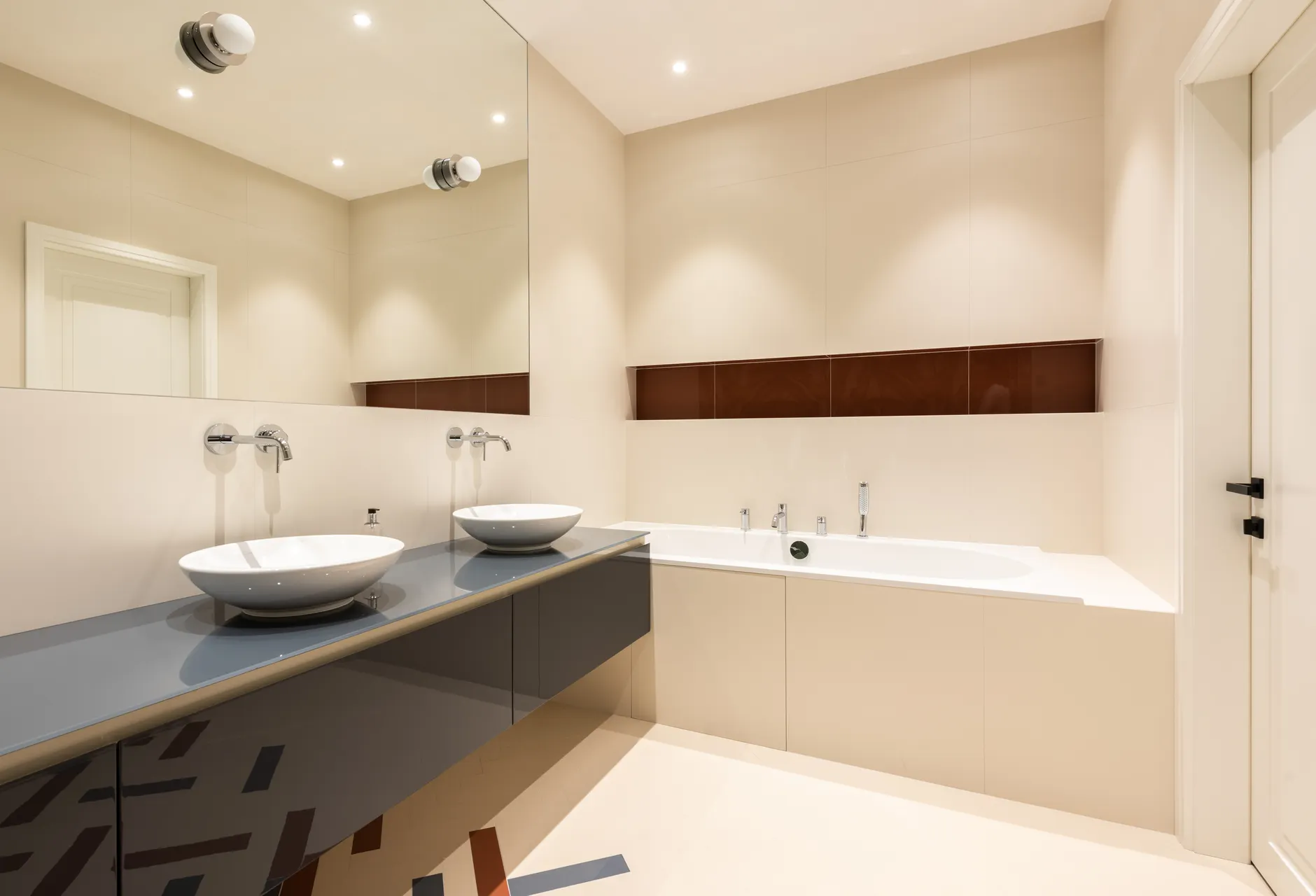
Plumbing · Wembley, London
Bathroom Installation in Wembley, London
A bathroom in Wembley is really two jobs wearing the same name, and which one you have is decided before we talk tiles — by the system that feeds it. In a Wembley Park tower the supply is pressurised: an unvented cylinder or a communal mains-pressure feed driving high-pressure showers on manifold plastic pipework, inside a managed block. In the Metro-land semis of Sudbury and outer Wembley it is often the original 1930s room on early copper and a scaled cylinder, behind solid walls every new run has to be chased into. The Honest Plumber Wembley fits both, and the survey starts by working out which you are standing in.
Water then shapes what happens to the room over time, and it is the same story across both worlds. Affinity Water — the borough's supplier — classifies the local supply as hard, at around 295 mg/l calcium carbonate treated at Wembley Treatment Works, and that scale is the quiet reason so many bathrooms here get torn out in the first place. It furs cylinders, crusts immersion heaters and clogs thermostatic shower valves so they swing between hot and cold. A refit is the sensible moment to settle the hot-water side too, rather than tiling over a system that is already halfway gone.
The process is the same whichever building you are in: a survey of the real walls, floor and existing pipework, then a fixed written quote before a single tile is lifted. We have been threading new bathrooms through Wembley's stock since they founded the firm in 2008 — eighteen years of refits, en-suites, wet rooms and cylinder work across the towers and the semis. A bathroom priced over the phone, before anyone has seen the room, is guesswork with a pound sign on it.
Under all of it, the work is held to one baseline: Building Regulations Part G for sanitation and water efficiency, Part P for the electrics in a room full of water, and WRAS-approved fittings on everything that meets the mains. Call 07861 957001 to book the survey and find out what your bathroom actually needs.
What We Do
The Bathroom Work Wembley Books
Every job opens with a survey of your actual room and the system feeding it, so the figure reflects the property in front of us rather than an average of everyone else's.
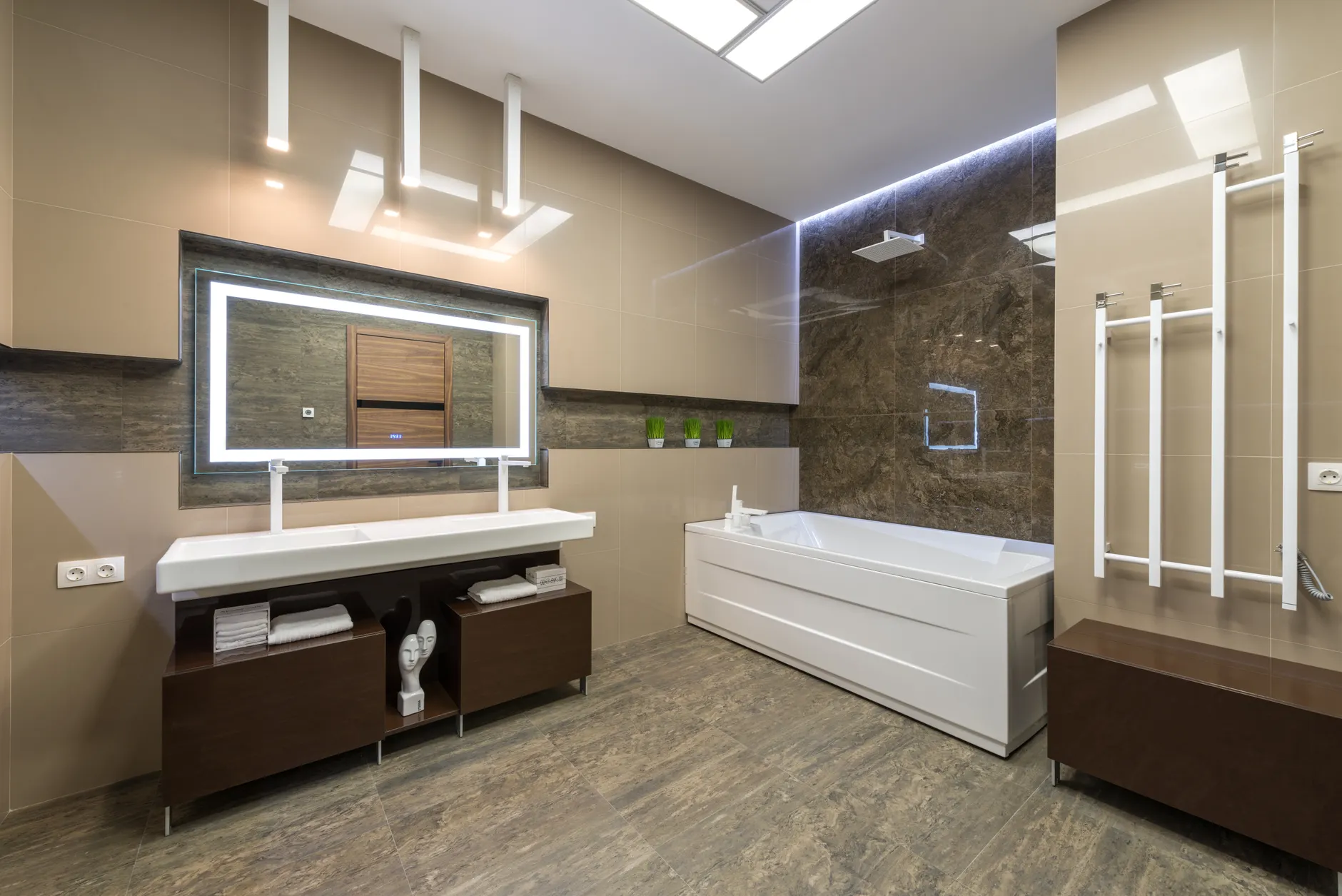
Bathrooms in the Wembley Park New-Build Towers
In the high-rise build-to-rent blocks around the stadium, a bathroom is a pressurised-system job: unvented cylinders or a communal mains-pressure feed, high-pressure showers, and manifold plastic pipework in service voids rather than chased into brick. It routes more neatly than a solid-walled house, but sits inside a managed block, so waste connections and any change to communal risers are coordinated with the managing agent.
We survey how your flat sits within the block's plumbing before quoting, so the routing — and who signs off on it — is settled on paper first.
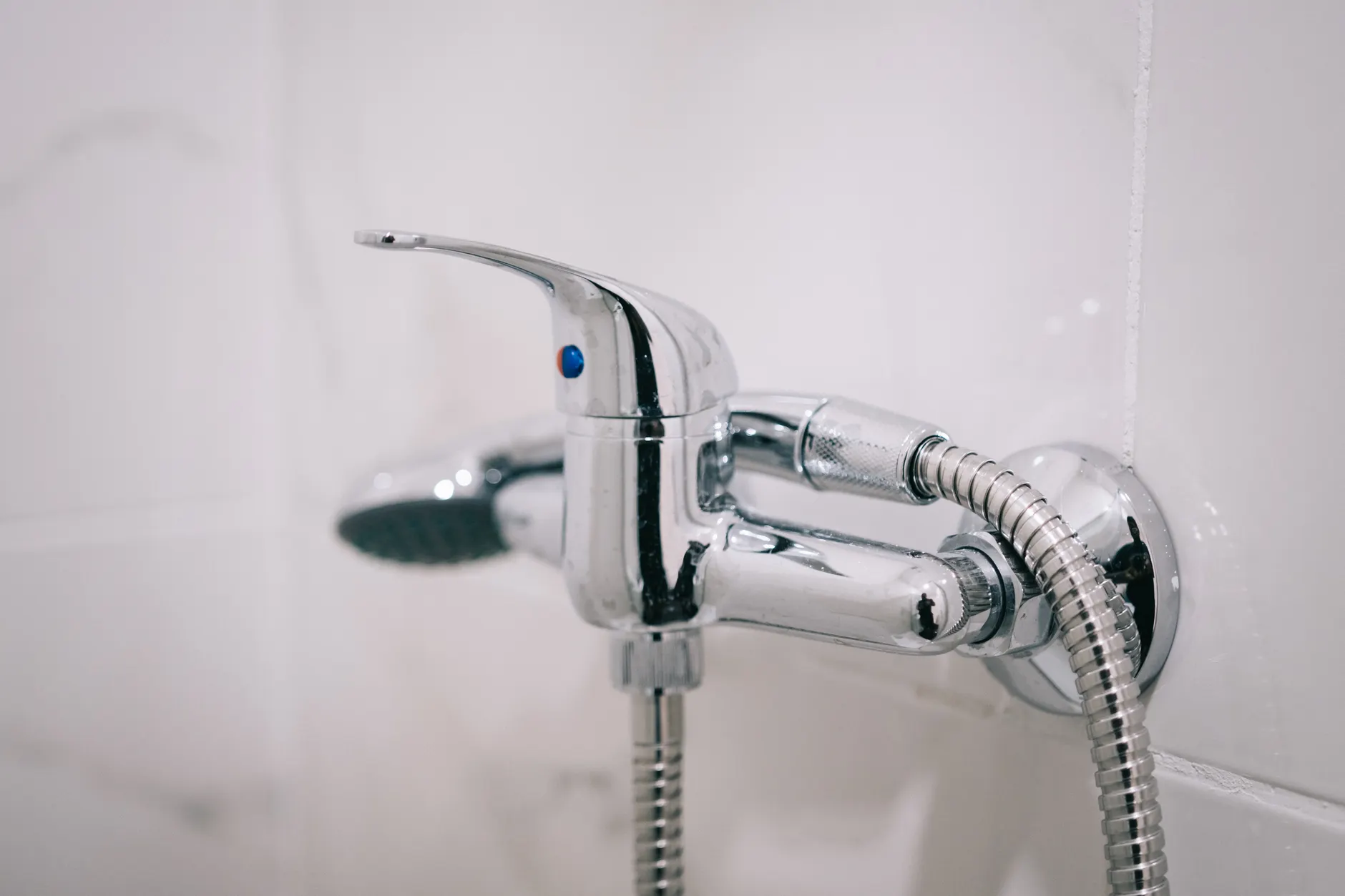
Renewing an Original Bathroom in a Metro-land Semi
Stripping a 1920s-30s bathroom in Sudbury or outer Wembley back to the joists and rebuilding it — suite, tiling, taps and pipework — is the job we do most in the period stock, and no two starting points are alike. Solid walls need runs chased in by hand, and in the oldest houses there is early copper or galvanised supply better replaced than joined onto.
Because the cylinder feeding these rooms has usually spent years scaling on Affinity's hard water, we look at the hot-water side while the room is open — dealing with a tired cylinder or immersion once, rather than disturbing a freshly tiled room later.
Wet Rooms, En-Suites and Level-Access Conversions
Carving out an en-suite or turning a bathroom into a step-free wet room means running fresh waste to an existing stack — quick where a tower flat has open service voids, more of a planning exercise in a solid-walled semi where the run must follow the fabric. A wet room is tanked throughout and its falls graded to drain properly, built to Part G's water-efficiency and drainage requirements.
Where a level-access conversion is for someone with limited mobility, the layout is worked around how the room will actually be used, not just where the pipes happen to run.
The Benefits
What the Survey Settles Before the Strip-Out
The survey is where the job is defined — the scope, the system and the figure — so nothing load-bearing is left to be discovered with a chisel.
The Figure Is Locked at Survey, Not at the Finish
The written quote is built after we have seen the room — the scope, the fittings you have chosen and how much tired pipework wants replacing — and that figure is what you pay at the end. The only thing that can move it is something genuinely unforeseen behind the wall, shown to you and agreed in writing before any extra work happens. Nothing is priced blind over the phone.
The System Behind the Suite, Checked Too
A brand-new suite plumbed onto an already-scaled cylinder or an ageing pressurised feed inherits the same problem the day it is fitted, so the survey looks as hard at the hot water as at the room. In a Metro-land semi that means the cylinder and immersion; in a tower, the unvented or communal feed. Settling both together during the refit is cheaper than returning to the hot water on its own later.
Part G, Part P and the WRAS List as the Floor
Sanitation and water-efficiency work follows Part G, the electrics in the bathroom follow Part P, and every fitting that meets the mains is WRAS-approved. That is the standard the work is built to in a pressurised tower flat and a solid-walled Sudbury semi alike — a specification of how the job is done and what goes into it, not a badge worn over the top.
Why Us
Why Wembley Fits Bathrooms With Us
Since 2008, we have fitted bathrooms across this exact split of new-build towers and inter-war semis — long enough to know what a property is likely to be hiding before the first board lifts.
We Fit for the System, Not Just the Suite
A pressurised unvented or communal feed in a Wembley Park tower and a scaled gravity cylinder in a Sudbury semi call for completely different plumbing behind the same-looking suite. Knowing which system you are on before design starts is what stops a beautiful new bathroom running at a pressure or a temperature it was never set up to deliver.
We Read the Pipework From the Age of the Building
Open service voids and manifold plastic in a recent tower, solid walls and early copper in a 1930s Sudbury semi, and the mixed stock going up at Alperton each dictate how a bathroom's pipework is routed, replaced and priced. Knowing which one you are standing in before anything is opened up is most of what keeps a quote honest — and, near heritage-sensitive spots like the Grade II*-listed Sudbury Town station, we flag anything street-facing that needs care before quoting.
One Team and One Number, Tower to Semi
From the Wembley Park blocks out to Alperton and Sudbury, the plumbers we coordinate fit bathrooms across the whole service area on the same survey-first terms — see our full range of services for everything else we cover.
Opening up a bathroom is often the moment other jobs come to light — a weeping valve, a length of scaled pipe, an overflow that never quite sat right. If you already suspect something is moving behind the plaster, leak detection & repair can find it before the tiler arrives, boiler & hot water repair can settle the cylinder while the room is open, and our full list of services covers the rest. Bathroom installation runs on the same survey-first, fixed-quote terms out to Wembley Park, Alperton and Sudbury.
Frequently Asked Questions
What makes a bathroom in a Wembley Park tower different to one in a semi?
The tower runs a pressurised system — an unvented cylinder or a communal mains-pressure feed driving high-pressure showers, on manifold plastic pipework in service voids — inside a managed block, so waste connections and any change to communal risers are coordinated with the managing agent. A Metro-land semi in Sudbury is the opposite: a gravity or lower-pressure system on solid-walled copper that has to be chased by hand. We survey which system feeds your room before quoting, because it changes the whole design and the routing, not just the finish.
How does Wembley's hard water affect a new bathroom?
Affinity Water classifies the borough's supply as hard, at around 295 mg/l calcium carbonate, and that scale furs cylinders, crusts immersion heaters and clogs thermostatic shower valves over time. A brand-new suite plumbed onto an already-scaled hot-water system inherits the same problem from day one, so we look hard at the cylinder or the pressurised feed while surveying the room. Dealing with both together during the refit is usually cheaper and less disruptive than coming back to the hot water on its own later.
Do I need to involve the managing agent for a flat refit?
For an internal refit that does not touch communal risers or shared plant, often not, but anything altering the block's shared infrastructure — a communal waste connection, an isolation point, a change to the pressurised feed — usually needs the managing agent involved. We establish which side of that line your job sits on during the survey and coordinate whatever is needed before work starts. Flagging it early avoids downing tools mid-job while a sign-off is chased.
What do Part G and Part P actually govern in a bathroom?
Part G of the Building Regulations sets the rules for sanitation, hot-water safety and water efficiency, while Part P covers electrical safety in the one room where water and wiring sit closest together. A full installation is carried out to both regardless of how old or how new the property is. If you want the specifics that apply to your particular layout spelled out, just ask at the survey and we will walk you through them.
How long is my bathroom out of action for a full refit?
A straightforward full refit is usually a week or two on site, from strip-out through to the last tile and the fittings going on, depending on the size of the room and how much pipework is being replaced. A wet-room conversion, or a job in a solid-walled Sudbury semi where new runs need careful chasing, can take longer. We confirm the timeline at the survey alongside the fixed price, so you know what to expect before anyone turns up.
Why might a refit in a Sudbury semi cost more than one in a tower flat?
Solid inter-war walls make routing new supply and waste far more labour-intensive than the open service voids and manifold plastic of a recent tower, where runs are comparatively quick to lay. Behind those older Sudbury walls there is often early copper or galvanised pipe better replaced than joined onto, which adds to the work. The gap shows up as a higher quote for a similar-sized bathroom because the labour behind the plaster is genuinely greater, not because of where the property stands.
Can you sort the cylinder or hot water while the bathroom is open?
Yes — in a Metro-land semi the cylinder feeding the bathroom has usually been scaling on hard water for years, and handling it while the room is already open means the pipework is rerouted and made good once rather than disturbing a freshly tiled room later. In a pressurised tower flat, the same logic applies to the unvented or communal feed. It appears as its own line within the fixed quote, so you can see exactly what it adds.
Do you fit level-access wet rooms?
Yes — wet-room conversions, tanked throughout and with the floor falls graded correctly to the drain, are built to Part G's water-efficiency and drainage requirements. They go in more easily where a tower flat has accessible service voids than in a solid-walled semi, where the waste routing wants more planning, but we fit both across the service area. Where the conversion is for limited mobility, the layout is worked around how the room will be used, and the survey confirms what a given room will actually allow before any quote.
What if something unexpected turns up once the wall is open?
If genuinely hidden trouble appears once a wall comes off — a run of old galvanised pipe that never showed at survey, or damp that was not visible beforehand — we stop, show you what we have found and agree a revised figure in writing before carrying on. It is uncommon rather than routine, because a thorough survey exists to catch these things early, though it happens now and then in the older Sudbury and outer-Wembley houses where pipe runs are long. Nothing extra is billed without your say-so.
Do you cover Wembley Park, Alperton and Sudbury as well as central Wembley?
Yes — full refits, en-suites, wet rooms and cylinder work are covered across Wembley, Wembley Park, Alperton and Sudbury on the same survey-first, fixed-quote basis. What changes is the building: a pressurised tower flat behaves completely differently from a solid-walled 1930s semi or the mixed stock at Alperton. Wherever the property sits, the process and the standards the work is built to stay the same, and the one number — 07861 957001 — reaches the whole area.
Start With a Survey, Not a Guess
The fixed written quote comes before any work does. Call 07861 957001 today.
07861 957001